- California to North Carolina
California to North Carolina Car Shipping Services
State-to-state car shipping solutions tailored for reliable cross-country auto transport.
Trusted California to North Carolina Car Shipping Experts
When you hand over the keys for a coast-to-coast relocation, you need total confidence in your transport team. AG Car Shipping built its reputation on handling complex interstate logistics without the headache. We manage a massive, highly vetted carrier network operating daily on the primary routes between the West Coast and the Tar Heel State. Our dispatch teams treat every vehicle—from daily commuters to custom builds—like it belongs to us.
Customer peace of mind drives our entire operation from start to finish. Our secure online booking platform instantly connects you with verified drivers, locking in your transit schedule before the truck ever fires up. Opting for door-to-door car shipping eliminates the nightmare of navigating massive terminal lots or coordinating secondary rides. We pick up straight from your driveway in California and deliver right to your curb in North Carolina.
California to North Carolina Auto Transport Pricing & Transit Times
Estimated Cost & Time Examples from California to North Carolina
Every cross-country vehicle move carries unique mileage and fuel variables. Our live dispatch data provides highly accurate, real-world estimates for the most heavily traveled corridors linking these two states. Review the baseline projections below, then request a personalized quote for your exact ZIP codes.
| City Pair | Transport Type |
Est. Mileage |
Est. Price Range |
Est. Transit Time |
Action |
|---|---|---|---|---|---|
| Los Angeles to Charlotte | Open | 2,400 | $960 - $1,050 | 7 - 9 Days | Get Quote |
| San Diego to Raleigh | Open | 2,550 | $1,020 - $1,150 | 7 - 10 Days | Get Quote |
| San Francisco to Asheville | Enclosed | 2,450 | $980 - $1,100 | 7 - 9 Days | Get Quote |
| Sacramento to Greensboro | Open | 2,600 | $1,040 - $1,200 | 8 - 10 Days | Get Quote |
| San Jose to Durham | Open | 2,750 | $1,100 - $1,200 | 8 - 10 Days | Get Quote |
| Fresno to Wilmington | Enclosed | 2,600 | $1,040 - $1,200 | 8 - 11 Days | Get Quote |
| Oakland to Winston-Salem | Open | 2,700 | $1,080 - $1,200 | 8 - 10 Days | Get Quote |
Why Choose AG Car Shipping for Your California to North Carolina Route?
Navigating the national freight market shouldn’t require a logistics degree. We strip away the complex jargon to deliver transparent, highly dependable carrier solutions.
Zero Hidden Fees:
What we quote is exactly what you pay for the haul. Fuel surcharges and unexpected toll fees never inflate your final invoice on delivery day.
Rapid Transit Options:
Standard long-haul runs require patience, but sometimes you need a vehicle moved immediately. Booking expedited car shipping pushes your load to the front of the line for faster team-driver deployment.
Guaranteed Carrier Vetting:
We don't hand your keys to just anyone with a truck. Every driver pulling freight for AG Car Shipping maintains clean safety records, active insurance limits, and spotless compliance.
Proactive Status Updates:
Wondering where your car is during a 2,500-mile journey shouldn't cause anxiety. Our dispatch team provides active tracking text alerts, keeping you informed across every state line.
Choosing Your Ride: Open vs. Enclosed Transport From California to North Carolina
Matching the right trailer setup to your specific vehicle protects its value over thousands of highway miles. Drivers running the long transcontinental lanes pull two primary rig styles. We help you pick the exact right fit for your budget and specific asset type.
Open Carrier Transport:
Running a car on an open, multi-level carrier remains the industry standard for daily commuters and family SUVs. Carriers stack up to ten vehicles simultaneously, keeping per-car fuel and operational costs incredibly low. Booking open car shipping exposes your car to the same rain, dust, and sunshine it would experience if you drove it yourself. It's safe, heavily tested, and generally the fastest way to secure an outbound truck.
Enclosed Carrier Transport:
Locking your vehicle inside a hard-sided trailer completely insulates it from severe weather systems and flying road debris. Operators utilizing these rigs specialize in handling low-clearance hypercars, restored classics, and delicate museum pieces. The specialized lift gates prevent undercarriage scraping during the loading phase. Choosing enclosed car shipping guarantees your asset rolls off the truck looking exactly as it did leaving the West Coast.
AG Route Insight
Hauling a car 2,500 miles exposes the exterior to intense desert heat, high-elevation winds, and potential Midwestern storm cells. We strongly advise booking a hard-sided enclosed trailer if your vehicle's paint job or market value exceeds standard depreciation limits.
Fully Licensed, Bonded, and Insured: Our Damage-Free Guarantee
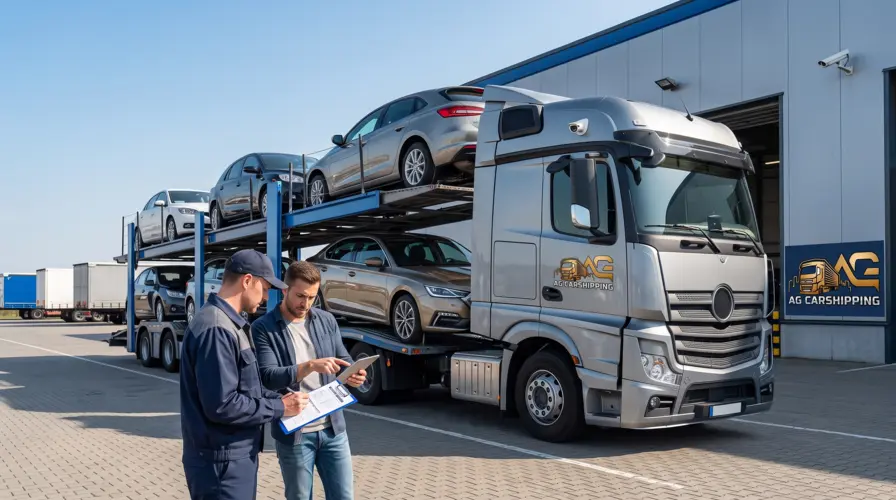
Moving a multi-ton machine across state lines requires massive regulatory oversight. AG Car Shipping operates under strict compliance with all Department of Transportation mandates and maintains rigorous vetting standards for our entire carrier fleet. You can easily verify our active credentials directly through the Federal Motor Carrier Safety Administration (FMCSA). We refuse to dispatch your load to any driver possessing expired operating authority or flagged safety records.
Cargo protection sits at the absolute center of our transcontinental dispatch strategy. Every truck we load carries heavy-duty commercial insurance policies designed explicitly to cover catastrophic transit damage. We maintain a strict zero-deductible policy for our clients, meaning you never pay out of pocket if an incident occurs. Both you and the driver conduct a mandatory, multi-point visual inspection at pickup and delivery to guarantee total accountability.
How Vehicle Transport From California to North Carolina Works (Step-by-Step)
Securing professional cross-country transit takes just three simple, highly structured steps.

Step 1: Quote & Book
Start by entering your origin and destination zip codes into our online calculator. Our system pulls live load board data to generate a fair, market-accurate price. Once you accept the rate, our dispatchers begin hunting for an optimal carrier heading east. We lock your vehicle onto a verified manifest and finalize the pickup window.

Step 2: Vehicle Pickup
The assigned driver contacts you directly to establish a firm loading time and safe meeting location. This step is streamlined whether you are a private owner or utilizing our car dealer shipping B2B network. The operator carefully loads the car, securing the chassis with heavy-duty, soft-tie nylon straps. You sign the release paperwork, hand over the keys, and the truck heads toward the highway.

Step 3: Safe Delivery
After several days on the road, the driver will call you roughly 24 hours before arriving in North Carolina. You meet the truck at the agreed-upon drop zone, usually a wide street or nearby commercial parking lot. Together, you perform a final visual walk-around to ensure the vehicle survived the journey flawlessly. You sign the final delivery receipt, pay any remaining balance, and drive away.
Major Shipping Hubs & Highway Routes Between California and North Carolina
The massive population centers in California feed massive volume into the eastbound auto shipping lanes. We frequently load out of major Southern California hubs like Los Angeles and San Diego, while simultaneously pulling freight from Northern clusters near San Francisco and Sacramento. Upon reaching North Carolina, carriers typically unhook and deliver around the dense Charlotte metro area or the busy Raleigh-Durham Research Triangle. These high-volume origin and destination points guarantee consistent truck availability.
A standard transcontinental run relies heavily on the major U.S. Interstate system to maintain steady speeds. Carriers loading in Northern California typically push east along I-80 before cutting south through the Midwest. Trucks leaving Los Angeles heavily utilize I-40, which runs almost perfectly straight across the country directly into the heart of North Carolina. Drivers maximize their daily mileage on these wide, well-maintained corridors to hit strict delivery deadlines.
AG Car Shipping Customer Reviews on the California to North Carolina Route
David Rbibo
Mo is an excellent communicator! I texted him and within a couple of hours, I was set up with a truck that would pickup my car the next morning. He estimated that the transport from NYC to LA would take 4-5 days and that’s exactly the amount of time it took. Excellent service all around.
Apr 6, 2026

Ronald Rodriguez
The best auto shipping company in the country
The service way very professional speedy. Just unbelievable.
Apr 10, 2026
Ryan F
Best men for transport your car anywhere you want!
Fast, respectful, very responsive and delivers GREAT PRICE! As well very nice person!
Apr 15, 2026
I used AG Car Shipping transportation service highly recommended. My car arrived on time and this company is amazing. Please try him. He’s a very honest, hard-working man. I will always use him.
Apr 27, 2026
What Factors Affect the Cost of Shipping a Car?
Transcontinental freight pricing fluctuates wildly based on complex, interconnected market variables. Understanding these core pricing levers helps you lock in the best possible rate.
Total Distance:
A 2,500-mile haul consumes massive amounts of expensive diesel fuel. Longer distances always increase the baseline cost, even if the per-mile rate technically drops.
Vehicle Size & Weight:
Large trucks and heavy SUVs take up significantly more physical space on a trailer. Arranging oversized vehicle transport commands a premium because heavy loads limit the total number of cars carriers can legally haul.
Vehicle Value:
Transporting high-dollar assets requires specialized handling and increased cargo insurance minimums. Whether you need classic car shipping for a vintage Mustang or exotic car shipping for a late-model Ferrari, protecting that investment increases the base rate.
Seasonality:
The nationwide transport grid shifts dramatically based on the time of year. Booking a truck during massive volume spikes—like winter migrations—drives prices up dramatically.
Pickup & Delivery Locations:
Rural pickups force drivers miles off their profitable highway routes. Sticking to major cities always yields a cheaper, faster quote.
Overview of Shipping From the State of California
Pulling freight out of the Golden State requires serious navigational expertise due to crushing urban congestion. The massive population densities in Los Angeles and the Bay Area create nightmarish bottlenecks for 80-foot commercial rigs trying to navigate tight residential streets. Drivers frequently ask clients to meet them at nearby big-box store parking lots to avoid trapping their trucks in small neighborhoods. Our dispatchers monitor local traffic patterns closely to prevent missed loading windows.
California’s unique geographical features heavily dictate how and when carriers load vehicles. Dense coastal fog in the north and extreme desert heat out east force drivers to modify their loading protocols. In the winter, heavy snowpacks in the Sierra Nevada mountains can completely shut down major exit arteries, requiring us to actively reroute our snowbirds car shipping clients around these weather delays to maintain forward momentum.
Overview of Shipping To the State of North Carolina
Delivering cars into North Carolina presents a completely different set of logistical challenges. The state features diverse terrain, stretching from the flat coastal plains in the east to the winding, mountainous roads of the Appalachians in the west. Navigating a massive auto carrier through tight switchbacks near Asheville requires extreme precision and heavily limits direct residential drops. Our drivers serving the military car shipping routes near Fort Liberty or coordinating student car shipping drop-offs in the Research Triangle know exactly how to bypass base and campus congestion.
The climate in North Carolina throws some unpredictable hurdles at inbound auto carriers. Intense summer humidity and sudden, violent afternoon thunderstorms often force drivers to pull over, delaying final delivery by several hours. In the winter, occasional ice storms completely freeze the steep western highways, rendering them impassable for heavy freight. We constantly monitor these shifting weather fronts to provide accurate, real-time arrival estimates.
Frequently Asked Questions (FAQ) - California to North Carolina Auto Transport
How much does it cost to ship a car from California to North Carolina?
Rates generally fall between $900 and $1,200 for a standard sedan on an open carrier. Upgrading to a specialized enclosed rig pushes the baseline closer to $1,000 to $1,350. Seasonal demand spikes and exact vehicle dimensions will push these numbers slightly higher or lower.
How long does auto transport take between California and North Carolina?
Covering roughly 2,500 miles typically requires 7 to 10 days of transit time. Federal regulations strictly limit how many hours a commercial driver can operate daily, slowing the cross-country pace. Weather delays and mandatory weigh station stops can also extend this window.
What is the cheapest way to ship a car from California to North Carolina?
Booking a spot on an open-air carrier during the off-peak summer months yields the lowest possible rate. Remaining highly flexible with your pickup dates allows dispatchers to squeeze your vehicle onto a truck that needs one last car to fill a load.
Can I put personal belongings inside my vehicle during transport?
Most carriers allow up to 100 pounds of personal items secured neatly in the trunk. The Department of Transportation actively prohibits hauling household goods inside auto transport trailers. Any interior cargo is completely uninsured against theft or damage.
Do you offer door-to-door car shipping from California to North Carolina?
Yes, our network exclusively focuses on door-to-door transit whenever legally and physically possible. If your street prohibits heavy commercial vehicles, the driver will ask to meet at a nearby large parking lot.
What documents do I need to ship my car from California to North Carolina?
You do not need a title or registration to legally transport a vehicle domestically. You only need a valid photo ID and the keys to hand over to the driver. The carrier will provide the mandatory Bill of Lading at the time of pickup.
Is my vehicle insured during the journey from California to North Carolina?
Absolutely, cargo insurance is federally mandated and bundled directly into your initial quote. The carrier’s policy covers structural or cosmetic damage caused by transit, collision, or rollover.
How do I prepare my car for California to North Carolina transport?
Wash the exterior completely so the driver can accurately document pre-existing damage. Remove all custom aftermarket electronics, toll tags, and loose change from the interior. Keep the gas tank at or below a quarter full to minimize unnecessary trailer weight.
Do I need to be present for pickup in California and delivery in North Carolina?
You, or a legally designated representative over 18 years old, must be physically present. Someone has to sign the Bill of Lading and hand over the keys. You cannot simply leave the car parked on the street.
Can you ship an inoperable vehicle from California to North Carolina?
Yes, but you must notify us immediately during the quoting phase. Moving an auction car shipping purchase that doesn’t run requires a trailer equipped with a heavy-duty winch. This specific equipment always commands a higher rate.
What is the difference between open and enclosed transport on this route?
Open transport exposes your vehicle to the same weather and road dust it would face if driven. Enclosed transport locks the car inside a sealed, hard-sided trailer, completely shielding it from the elements and potential debris.
How far in advance should I book my California to North Carolina car shipping?
We strongly advise booking your load roughly two to three weeks before your ideal departure window. Giving our dispatch team more lead time allows them to secure the absolute best rate on the load boards.
Are there any hidden fees or terminal charges on this route?
No, the quote you receive locked in with our dispatch team represents the final total. We do not use staging terminals, completely eliminating predatory storage or gate fees.
What happens if my vehicle gets damaged during transit?
Make sure to document the specific damage clearly on the final Bill of Lading before signing it. Take clear photos of the affected area and immediately contact our support team. We will guide you through the process of filing a claim against the carrier’s cargo policy.
How do I track my car while it’s moving from California to North Carolina?
Our dispatch team maintains direct contact with the driver hauling your load. You can call or text our office during business hours to request a precise geographic update on your vehicle’s location.
Contact AG Car Shipping to Start Your Move
Moving thousands of miles across the country involves massive logistical headaches, but moving your vehicle shouldn’t be one of them. Our dedicated dispatchers are ready to lock down a vetted carrier and secure your transit dates. Contact AG Car Shipping today to grab a free, zero-obligation quote and get your car on the road.